


Airless systems for cosmetics are based on two main technologies: piston or flexible pouch. In both cases, there is no suction straw and the delivery is more controlled and homogeneous. In addition, the internal environment remains in vacuum or otherwise sealed, preventing air from mixing with the formula, preserving its freshness and effectiveness.
The primary usage of an airless pump bottle is to isolate the product and prevent exposure to the air. This is becoming increasingly important as cosmetics brands across the world utilize the benefits of retinol (Vitamin A), Vitamin C, and powerful antioxidants which are known for being oxygen-sensitive. When exposed to the air, these ingredients can suffer from oxidation, deterioration, and bacteria growth, reducing the efficacy of the product and increasing the risk of side effects for the user. Airless bottles can hold a variety of products, ranging from fluids and liquids to thicker creams and gels, and are particularly useful for high viscosity formulations that resist flow with standard pumps.
Airless technology has also become essential at a time when natural skincare solutions are on the rise. With an increasing selection of self-preserving formulas and synthetic preservatives as major beauty brands strive to minimize the use of parabens, thiazolidinones, and formaldehyde releasers, products have much shorter shelf lives. With a non-pressurized chamber and prevention of air exposure, research suggests that high quality airless pump bottles can extend average shelf life by as much as 15%.
Airless designs are also increasingly being used to facilitate the growing trend for travelling with essential skincare products. While traditional cosmetics bottles rely heavily upon the placement of product at the base of the container, airless bottles can dispense product regardless of distribution as the solution is pushed towards the pump. During travel, product can become unevenly distributed within the bottle, resulting in frustration by end users. This problem is eliminated when using airless bottle systems.
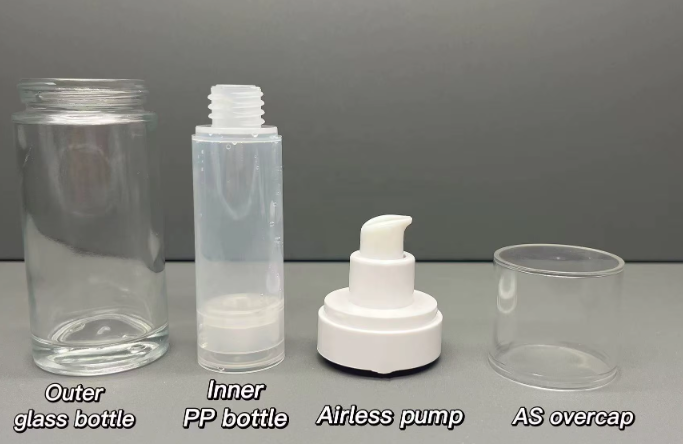
And while airless technology is still relatively new, the good news is that end users are already beginning to witness the advantages of these revolutionary bottles. Between 2009 and 2014, sales of anti-ageing creams in plastic jars and glass jars dropped by 6.8% and 4.5% respectively across the United States. During this same period, sales of creams in airless pump bottles increased by 14.2%, demonstrating a new consumer preference.
Having read this far, you can try and use airless bottles. I believe it will bring you a different experience and feeling!