


If you are running a cosmetics brand and considering packaging, perhaps you could consider tubes. While tubes may not offer the same visual diversity as bottle or jar containers, they’ve gained significant market preference due to several inherent advantages: These flexible packages provide more hygienic product dispensing, ensure complete product evacuation through squeezable design, and offer superior portability thanks to their lightweight nature.
Before choosing a cosmetic tube, you must have a deep understanding of your own products. The characteristics of the product determine the most critical factors in packaging selection.
The product’s physical viscosity and chemical compatibility have a direct impact on packaging options. The appropriate tube diameter is chosen based on whether the cream is thick, light, or fluid. Thick creams need a large tube for squeezing out. However, serums and eye gels need a smaller tube for accurate dosing. We offer tubes of various capacities and different hole sizes, which can help you find the most suitable hose packaging for your products.
The material used impacts the cost and look of the product. It also affects its protection and user experience. PE tube is the most popular and inexpensive option. Its soft texture and good strength make it suitable for many products, like facial cleansers and body lotions. ABL composite tube has an aluminum foil layer. This layer blocks light, air, and moisture. It is great for sunscreens, ointments, and products with sensitive ingredients.
Cosmetic tube produced from plant-based materials like sugarcane and post-consumer recycled plastic are becoming more common. Choosing these environmentally friendly products not only successfully minimizes a brand’s carbon footprint, but also shows consumers that it is committed to environmental conservation.
The size and capacity of the tube must be in line with your market positioning and product plan. The final capacity depends on the tube’s diameter. Common sizes are 19mm, 25mm, 35mm, and 50mm. The length also affects capacity. If your target market loves travel-size products, 15-30ml is the best option. If your target market prefers daily or family-sized items, 150-200ml is an acceptable size. Different capacities define the market you’re targeting, and selecting the appropriate size makes your brand more relatable to customers.
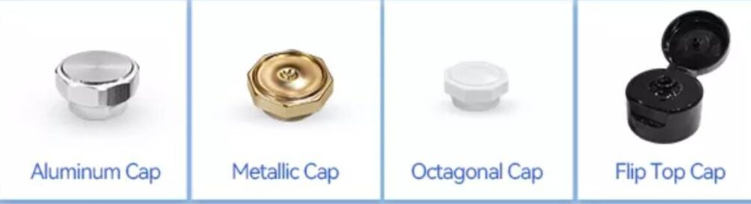
The two most common tube cap types are screw caps and flip caps. Screw caps offer a better seal, keeping the product inside more stable, while flip caps are more popular and easier to use with one hand, making them very convenient.
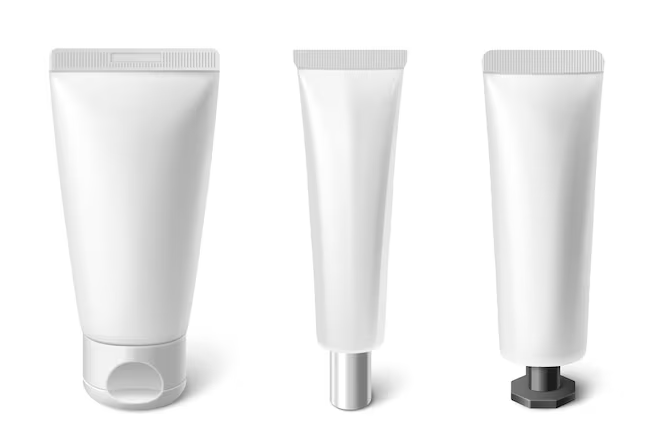
The applicator determines the functionality of the product. For example, for eye cream, a cool metal massage head can provide a calming and soothing effect during use; for acne treatments, a roller ball head allows for targeted application. Choosing the right applicator and tube cap for each product is crucial. This is one of the factors that determine whether consumers will like your product, and a good choice will also make your product more unique.